
Event Tickets Center and the CTF
Learn about Event Tickets Center and the Coalition for Ticket Fairness partnership and how we fight for your rights as a ticket consumer.
Our Partnership
Event Tickets Center is a proud sponsor of the Coalition for Ticket Fairness (CTF). ETC and the CTF have been partners since the CTF was founded. ETC is one of their biggest and longest-running sponsors.
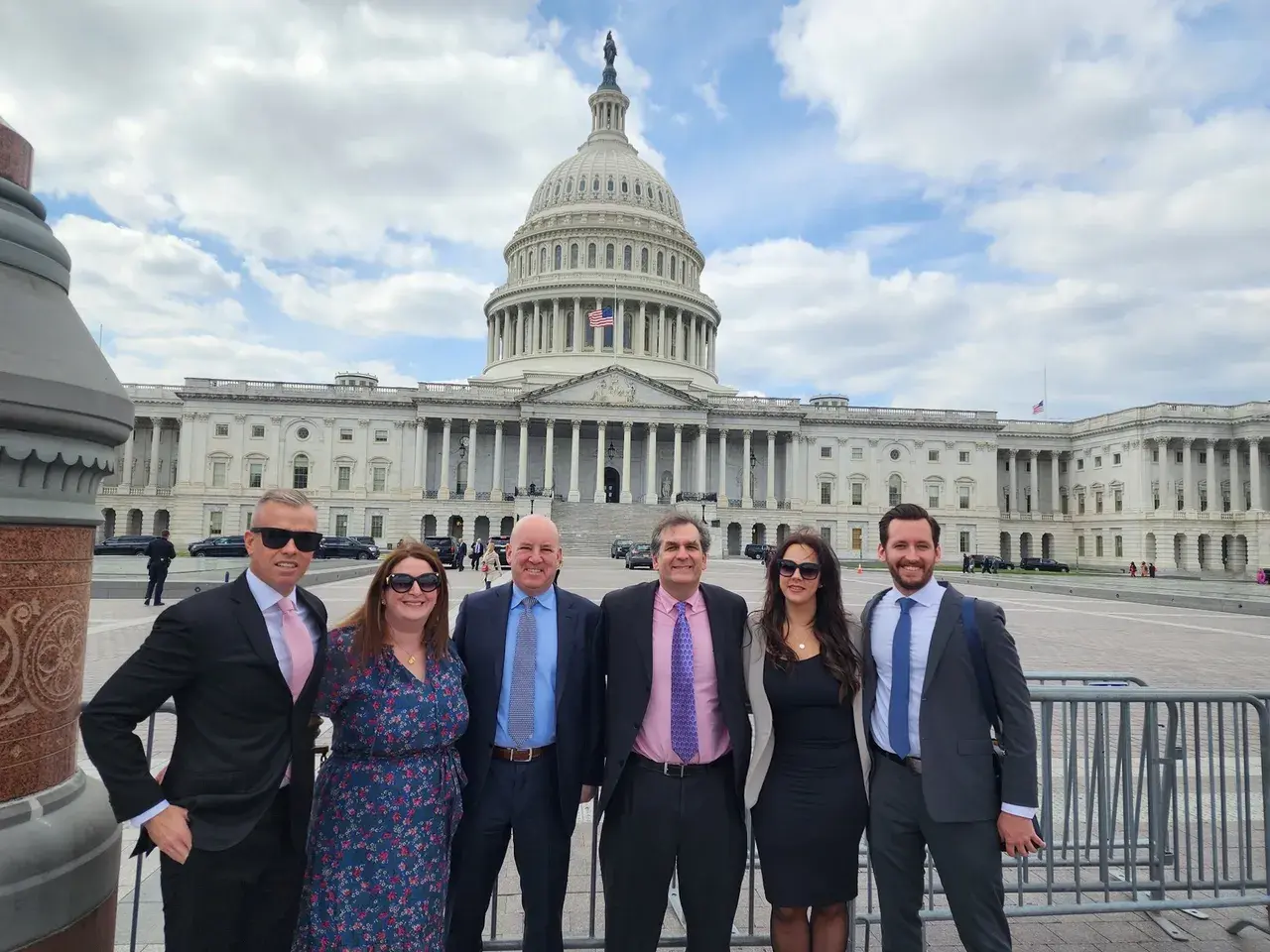
The Team
What Is the Coalition for Ticket Fairness
The Coalition for Ticket Fairness (CTF) is an organization built to create common sense reform in the live event ticketing industry. They advocate for fairness, transparency, and integrity in the ticketing industry through legislative reform by encouraging lawmakers to make positive changes for consumers of live event tickets. Their work encourages our elected officials to take this work seriously, and to understand the implications of this work in providing a fair market for ticket buyers and consumers.
The Work
What Does the Coalition for Ticket Fairness Do?
CTF’s work is largely focused on legislative reform, lobbying on behalf of ticket buyers, sellers, and the ticketing marketplace as a whole. They lobby for legislative changes that work towards a fair ticketing market, and fight back against unfair laws that ultimately work against consumers.
Their most common lobbying points are fighting for the transferability of event tickets, ticket fee transparency through upfront pricing, and enhanced consumer protections around speculative ticketing (The practice of selling a ticket that the seller is not actually in possession of). Event Tickets Center fully supports all of the Coalition for Ticket Fairness’ initiatives.
The Vision
Why the CTF Is Important
The CTF stands for fair ticketing practices and works to protect event ticket consumers. Primary ticket sellers like Ticketmaster and AXS sometimes retain ownership and dictate what can be done with the ticket even after it is sold. The CTF fights for consumers' right to do with tickets what they want, including selling, using, or gifting them without intervention from the primary seller.
The CTF states, "The principles of free market economics through the free and fair trade of tickets [and] transparent disclosures keep ticket prices organically lower than if controlled by special interests and counteract any tendency for monopolistic behavior. We believe fans benefit from competition."
As Live Nation and Ticketmaster are being sued for monopolistic behavior, the CTF, Event Tickets Center, and other consumer rights' groups (like The Sports Fans Coalition and the National Association of Ticket Brokers) fight for secondary marketplaces to help maintain a free market, protect consumer rights, and to keep event ticket prices lower than they would in a monopoly.
Our Core Values
The Ticket Buyer Bill of Rights
The Ticket Buyer Bill of Rights is a set of five principles created by a number of consumer rights groups, with the goal of creating an industry-wide standard for fair ticketing practices. The rights include:
.webp)
Right to Transferability
Ticket buyers should be able to use, sell, or give away tickets as they choose without the primary seller restricting ticket usage.
.webp)
Right to Transparency
Tickets' original price, availability, and whether the seller currently has the tickets in hand should be clearly stated.
.webp)
Right to Set the Price
The primary seller should not have the right to set price floors or price caps that prevent fans from reselling their tickets freely.

Right to a Fair Marketplace
Federal law already prohibits ticket-buying bots from competing with fans. However, this law needs more enforcement and visibility.

Right to Recourse
Ticket buyers need legal protections in the case of fraud, deceit, or otherwise harm by sellers.
Here are a few examples of why the ticket buyer bill of rights is so important, and what it looks like if the buyers lose those rights:
Let's say your plans changed and you can't attend a show...
Let’s say you buy a ticket to see Dead and Company at the Sphere for $200. You then can’t go to the show anymore, because something came up. The primary seller wants to prevent transferring tickets, so you would have to either resell your ticket on that platform, or sell it back to the platform.
However, the primary seller gives you two options:
Sell the ticket back to them for $90 (Thus you lose $110 or 55% on your ticket purchase.)
Resell the ticket on their platform for a minimum sale price of $350
The second option creates an issue because the primary seller is taking the tickets that they bought back for $90 and reselling them for $150, so nobody is going to want to buy the tickets you list for $350.
So, you either lose 55% of your purchase (while the primary seller makes an additional 67%) but are guaranteed to get some money back with the first option, or you risk losing 100% of your purchase with the second option. This is monopolistic behavior because they can manipulate the markets.
When you can transfer your tickets freely, you can list your tickets on whichever platform you want, including ones where the primary seller has no authority. This means you also have control over the price you want to set for your ticket, and have the opportunity to earn your money back. This is why a free market and transferability are so important.
This example is a violation of both the Right to Transferability and the Right to Set the Price
Let's say you bought tickets as a gift...
If you purchase a ticket and want to give it to a friend or family member as a gift, you would not be able to transfer the ticket to them. The only way to get them into the event would be if you are with them and can scan them into the venue. The same goes for buying tickets for friends. If they are running late, you would have to wait for them to get them into the venue, and you could potentially miss part of the show.
Dynamic Pricing
Primary sellers also use dynamic pricing like they did for the Oasis reunion tour. They manipulate prices and raise them as high as possible, instead of listing them for the original list price, making it unfair for ticket buyers. Having a secondary market to help organically regulate prices prevents market manipulation like this.
Deceptive Ticket Holdbacks
For Taylor Swift’s The Eras Tour, the primary seller engaged in ticket holdbacks. A ticket holdback is when the primary seller withholds tickets from being sold, even though they will become available in the future. When this information is not disclosed, it creates a false sense of scarcity, thus increasing demand. In the case of The Eras Tour, the primary seller withheld up to 96% of tickets for The Eras Tour secretly, thus increasing demand and deceiving customers into paying more than they normally would have.
What Event Tickets Center and the Coalition for Ticket Fairness are fighting against
Got Questions?
Current State of the Ticketing Industry
We've gathered all the latest news and information regarding the ticketing industry, be it primary or secondary, to keep you informed and up to date on current events.
Federal Trade Commission Announces Bipartisan Rule Banning Junk Ticket and Hotel Fees
In December of 2024 the Federal Trade Commission (FTC) announced a rule banning junk ticket fees within the ticketing and short-term lodging industries to improve transparency in sales and save consumers time and money. The ruling requires that all fees (things like service charges or convenience fees) be disclosed up front so buyers are not blindsided by fees late in the checkout process, making the overall ticket purchasing process faster and more informed; this is also referred to as “up-front pricing.” The new rule goes into effect in May of 2025.
The Ticket Act
A bill called the Ticket Act first passed the House of Representatives in May of 2024 but failed to be enacted into law during that session. The bill would require up front disclosure of fees, speculative ticketing restrictions, and enhanced consumer protections. A new and similar version of the same bill was passed in April 2025. It is moving to the senate for consideration.
Maine Ticketing Reform Law
Maine passed ticketing reform legislation (S.P. 403 / L.D. 913) in June 2025, with the law taking effect on September 24, 2025. It caps resale prices at no more than 10% above the original total price, including fees and taxes, and bans speculative ticketing by making it illegal to list tickets a seller does not possess. The law also requires all-in pricing so the full cost must be shown upfront, prohibits deceptive practices like bot use and misleading listings, and mandates refunds if tickets are invalid, not delivered, or misrepresented. Violations are enforceable under the state’s unfair trade practices law with financial penalties.
Antitrust Lawsuit Against Live Nation and Ticketmaster
In May 2024, The Justice Department and 30 state and district attorney generals sued Live Nation and Ticketmaster for monopolizing the live event markets. The filing alleges that both Live Nation and Ticketmaster rely on monopolistic and anticompetitive behavior to maintain control in the live events market. They also use their power over artists, promoters, and venue operators to create an unfair market for consumers by thwarting competition in the industry. Live Nation owns hundreds of venues in North America, including 60% of the top amphitheaters in the United States, giving them sole access to their revenue from events, sponsorship, and ticket sales. More states and co-plaintiffs joined the lawsuit later in the year.
In March 2026, the Justice Department said it’d tentatively settled with Live Nation (parent company of Ticketmaster). Live Nation was to be fined up to $280 million and would have to limit fees to 15% of face value and divest from several of its exclusive booking agreements with venues. Even though the DOJ withdrew and settled, the case was not dismissed, and the trial resumed with 36 states and the District of Columbia still involved. On April 15, 2026, the jury found Live Nation liable for creating a monopoly. The remedy is not yet determined, with structural fixes and fines expected.
Maryland Governor Signs Bill Banning Speculative Ticketing
In 2024, the state of Maryland signed a new bill into law that bans the selling of speculative tickets, which are tickets the seller does not yet have possession of. The law also aims to protect consumers against unfair ticketing practices by requiring price and fee transparency, and requiring refunds for certain circumstances.
However, in conjunction with that bill, there is another bill Maryland introduced that harms consumer rights in the ticket resale market.
- Resale Price Limitation (Section 2). This caps the price that you can resell your ticket for. The cap is set at the original cost, hindering your chances of recovering the full value of your ticket if you decide to sell your ticket as you wouldn’t be able to recoup your ticket fees.
- Mandatory Disclosure of Resale Purchaser Information (Section C). This requires sellers to provide personal contact information of the ticket purchasers to event organizers. This raises privacy concerns. While this bill does have some positives with respect to consumer rights, the CTF and Event Tickets Center are adamantly against these two sections of the bill that blatantly harm consumer rights.
Colorado Governor Vetoes Ticketing Bill
In 2023, Colorado Governor Jared Polis was presented with a bill backed by primary ticket sellers which covered a wide range of issues around live event tickets. The bill did have some positive attributes to it. However, the legislature had removed amendments from the bill that would have benefitted the buyer even more. These issues included requirements for ticket sellers to report illegal bot activity and to disclose to customers the total number of tickets that are and will be for sale, including whether additional tickets will be made available at a later date (ticket holdbacks).
The Coalition for Ticket Fairness and Sports Fans Coalition fought to veto the bill once these amendments were removed, and this played a big role in Governor Polis vetoing the bill. Polis cited that the bill was too harsh on resellers and not harsh enough on primary sellers. Notably, the bill would have limited transferability of tickets, leading to monopolistic behavior from primary sellers as they would retain the rights over the ticket even after it was purchased by a consumer; this is why primary sellers were backing and supporting this bill. Polis wants to promote competition in the industry with a fair ticketing market, and this bill was introducing the exact opposite of that.
In response to this proposed bill, the CTF, along with the Sports Fans Coalition and other groups proposed a new bill called Consumer Protection in Event Ticket Sales that was focused on protecting consumers
The act amends consumer protection laws regarding ticket sales and resales for events including:
- Full disclosure of fees
- Bans the use of deceptive practices such as misleading websites designed to trick consumers
- Promotes transferability and competition in the industry, leading to a fair market for consumers.
This bill passed in June of 2024 and went into effect in August of 2024. This was a big win for consumers and eventgoers, setting a strong precedent for future ticketing legislation across the country.