

Parking & Exit Strategies: Beating Congestion at Arenas & Ballparks
If you have ever crawled out of a packed lot after a sold-out night at Levi's Stadium or tried to thread downtown traffic after a big game at TD Garden, you know the real encore can be the exit line. The good news is that a few repeatable choices can cut stress on arrival and save serious time after the finale. When you are ready to pick your next outing, Event Tickets Center makes it easy to find the perfect event, then plan the logistics with confidence.
The Pre-Show Rush: Why Timing Your Arrival is Everything
Super Bowl LX and a Lady Gaga tour night, share one truth: traffic spikes in a tight window, right when everyone tries to arrive at once. Your simplest advantage is timing. Check when lots open, when gates open, and when the first must-see moment happens, like making your World Baseball Classic tickets worth it by coming in before the first pitch; then, build a buffer. Arriving 30 to 60 minutes earlier often means easier parking choices and fewer bottlenecks at the entry lanes. If your top priority is leaving fast, flip the strategy and plan for a controlled early exit: head out a few minutes before the final play or last encore.
Venue Layout: How Arena vs. Ballpark Design Affects Traffic
Madison Square Garden, United Center, and Capital One sit in dense city grids, so you usually have more street options but also more choke points. A downtown arena trip often depends on which garage ramp you pick and which turn you make first, because a single blocked intersection can back everything up.
Ballparks and many football stadiums, by contrast, lean on huge surface lots and ring roads, with fewer true exits to the wider city. Add “directed parking,” and your ability to choose an escape route can shrink fast. Before you go, open a map and decide which side of the venue best matches your route home. Then park with that plan in mind, even if it means a slightly longer walk to the gate.
The Golden Rule: Never Park Facing the Traffic Flow
Here is the rule of thumb that pays off everywhere: avoid parking in a way that forces you to join the longest, straight-ahead queue to the main exit lane. If it is safe, legal, and allowed by staff, back into the spot, or choose a position that lets you pull out cleanly and turn away from the primary line. This is where “farther can be faster.” A space that is a five-minute walk but sits near a secondary drive lane can beat a close-in spot that feeds directly into the slowest funnel. Always follow posted signage and attendants, especially at venues that tightly control traffic flow.
The Back Road Escape: Local Streets as Your Shortcut
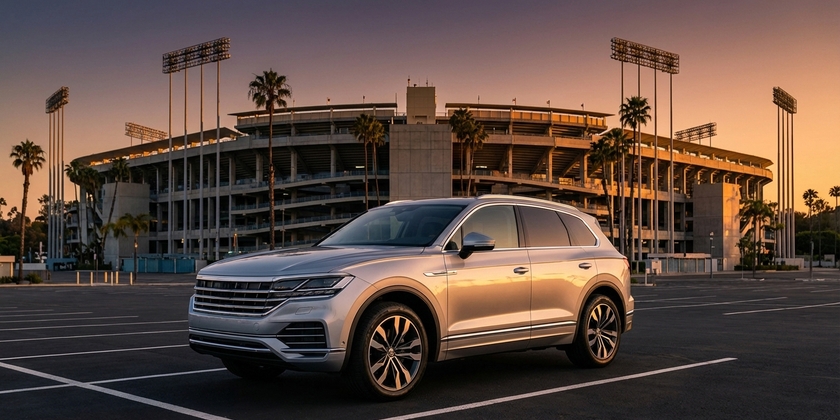
At Dodger Stadium, the difference between a smooth exit and a long wait often comes down to whether you already know one alternative route out of the area. Many ballparks sit near hills or neighborhoods with multiple access points that casual fans overlook, so the smart move is a simple pregame map check: identify an alternate gate, note one or two parallel streets, and pick a direction that moves you away from the main stream. After the game, avoid knee-jerk decisions. Take a breath, confirm your route, and drive respectfully through nearby neighborhoods while obeying posted restrictions.
The Digital Double-Check: Using Apps to Verify Exit Routes
Your best plan still needs a final check on event day. Many venues publish updated parking maps and alerts on their socials, and real-time traffic can change quickly with closures or police direction. Before you leave home, compare routes in two places: your primary maps app and the venue's recommended tool. When you are ready to leave, rerun the same comparison from your seat or tailgate spot and look at projected times for different exits. If one gate is turning into a long queue, a two-minute reposition inside the lot can save 20 minutes on the road. Some venues also plug into parking reservation platforms, so it is worth scanning official “plan your visit” Instagram stories early in the week.
Public Transit and Ride-Share: The Zero-Parking Option
Sometimes the cleanest parking strategy is not to park at all, especially around downtown arenas with strong transit links like TD Garden, which connects directly to the North Station hub. If you can take the rail, subway, or a bus line that drops you within a short walk, you avoid the slowest part of the night: the post-event car migration. Match your transit schedule to the event time, and remember that the last surge is after the final buzzer, not the start.
If you prefer rideshare, treat pickup like an exit plan. First, check if the venue has a dedicated rideshare area for a specific app like Uber or Lyft. If not, walk a couple of blocks away from the main doors, use a well-lit corner, and consider delaying your request for 10 to 15 minutes so you miss the worst pricing.
Plan Your Trip, Not Your Traffic! Find Your Perfect Outing with Event Tickets Center!
A better night out starts with a simple mindset: check maps early, time your arrival, park for the exit, and confirm your route before you join the line, and enjoy the great spots you found through Event Tickets Center.


